
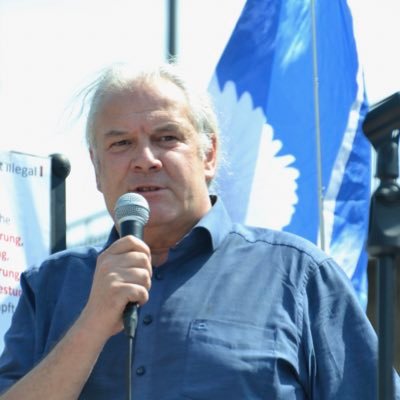
Energische Initiativen gegen die Spaltung des Europarats notwendig
Die Parlamentarische Versammlung des Europarates hätte in der letzten Sitzungswoche eine wichtige Entscheidung fällen können. Hier kommen die Vertreter von 47 nationalen Parlamenten des europäischen Kontinents zusammen. Die Versammlung diskutiert die Konflikte im „Großen Europa“, es war das erste parlamentarische Gremium auf europäischer Ebene nach dem Zweiten Weltkrieg. Hier wurde im Jahr 1950 die Europäische Menschenrechtskonvention verabschiedet, die bis heute einen wichtigen Leitfaden für die Gesetzgebung in allen Mitgliedstaaten darstellt.
Keine Erkenntnisse über militärische Bedrohungen aus Russland
„Ich fordere ich die Bundesregierung auf, endlich auf ihre Abschreckungspolitik gegenüber Russland zu verzichten, die deutsch-russischen Regierungskonsultationen wiederaufzunehmen und den Dialog sowohl mit Russland als auch mit der ganzen Eurasischen Wirtschaftsunion auf allen Ebenen zu intensivieren“, fordert Andrej Hunko, der europapolitische Sprecher der Fraktion DIE LINKE, mit Blick auf die Antworten der Bundesregierung auf eine Kleine Anfrage zu den Perspektiven eines künftigen gesamteuropäischen Raums von Lissabon bis Wladiwostok (BT-Drs. 19/3881).
Darin räumt die Bundesregierung ein, ihr lägen „keine Erkenntnisse“ über eine tatsächlich bevorstehende militärische Invasion etwa des Baltikums oder auch nur derartige Pläne und Absichten seitens der Russischen Föderation vor. Insbesondere auch hinsichtlich des unmittelbar bevorstehenden NATO-Manövers „Trident Juncture 2018“ mit 45.000 Soldaten an der russischen Grenze kritisiert Andrej Hunko die fehlende außenpolitische Souveränität der Bundesregierung.
Zu hohe Fehlerquote: BKA forscht weiter an Gesichtserkennung
"Ich halte die Gesichtserkennung in polizeilichen Datenbanken für einen tiefen Eingriff in die Privatsphäre der Betroffenen. Es ist heute völlig unklar, auf welche Weise die Technik zukünftig genutzt wird. Wie schon die Suchfunktion für Fingerabdrücke wird die Gesichtserkennung (in Eurodac) zuerst an Asylsuchenden ausprobiert, vermutlich weil diese keine Lobby für die Einhaltung von Datenschutzstandards haben", erklärt der europapolitische Sprecher der Fraktion DIE LINKE im Bundestag.
Das Bundeskriminalamt will die Gesichtserkennung mit neuen Technologien verbessern. Hierzu soll auch Künstliche Intelligenz (Deep Convolutional Neural Networks) eingesetzt werden. Außerdem hat das BKA das Projekt „Ertüchtigung des Gesichtserkennungssystem im BKA (EGES)“ gestartet, um die seit 2008 genutzte Suche nach Gesichtern in der INPOL-Datenbank zu verbessern.
Immense Kosten, aber fehlende Kontrolle für Vorratsdatenspeicherung von Fluggastdaten
„Allein die Verarbeitung der deutschen Fluggastdaten hat bislang 55 Millionen Euro gekostet, Personalkosten noch nicht eingerechnet. Diese dürften sich in ähnlicher Höhe bewegen. Laut dem Bundesinnenministerium ist das nur die Spitze des Eisbergs, für die Vorratsdatenspeicherung von Flugpassagieren werden weitere immense Kosten erwartet. Das System ist noch nicht für die erwarteten 180 Millionen Passagiere ausgelegt. Ich rechne deshalb mit exponentiell steigenden Ausgaben, die in keinem Verhältnis zu dem behaupteten Erfolg stehen“, kritisiert der europapolitische der Sprecher der Fraktion DIE LINKE im Bundestag, Andrej Hunko anlässlich einer Auskunft des Bundesinnenministeriums zum deutschen PNR-System.
Gemäß der Richtlinie über die Verwendung von Fluggastdatensätzen (PNR-Daten) hat das Bundeskriminalamt für 13,75 Millionen Euro eine Fluggastdatenzentralstelle eingerichtet, weitere 16 Millionen Euro wurden für Softwareprodukte und Lizenzen verausgabt. Das Bundesverwaltungsamt hat 40 Millionen Euro für die Konzeption, Softwareentwicklung und Lizenzen ausgegeben. Hinzu kommen jährliche Sach- und Personalkosten beim BKA, die das Bundesinnenministerium für die nächsten drei Jahre mit weit über 40 Millionen Euro beziffert. Allein beim Bundesverwaltungsamt wurden zudem 230 Stellen bewilligt, bei der Zollverwaltung sind 41 Stellen beantragt. Bei der Bundespolizei sind nur für das nächste Jahr 13,5 Millionen Euro eingeplant.
Europarat verpasst Korrektur eines Fehlers
Die Parlamentarische Versammlung des Europarates hat die Entscheidung über die Änderung ihrer Sanktionsmöglichkeiten gegen die nationalen Abgeordneten-Delegationen im Zusammenhang mit der Debatte um die Beziehungen zu Russland vertagt. Dazu erklärt Andrej Hunko, europapolitischer Sprecher der Bundestagsfraktion der LINKEN und stellvertretender Vorsitzender der Vereinigten Linken in der Parlamentarischen Versammlung:
„Der Europarat hat sich mit einer offensichtlich satzungswidrigen Entscheidung aus dem Jahre 2014 in eine Sackgasse manövriert. Kein Staat würde auf Dauer akzeptieren, dass seine Abgeordneten von der Wahl der Richter des Europäischen Gerichtshofs für Menschenrechte ausgeschlossen sind. Ich bin froh, als einer der wenigen Abgeordneten 2014 gegen den Entzug der Stimmrechte gestimmt zu haben.“
Schengener Informationssystem wird zum Big Brother
„Ich warne vor dem ungebremsten Ausbau des Schengener Informationssystems. Die größte europäische Fahndungsdatenbank verfügt schon jetzt über zahlreiche problematische Funktionen. Nach der heimlichen Verfolgung will die EU-Kommission nun die sogenannte Ermittlungsanfrage einführen. Ausgeschriebene Personen können daraufhin angehalten und befragt werden“, erklärt der europapolitische Sprecher der Fraktion DIE LINKE im Bundestag.
Der Artikel 36 des SIS-II-Ratsbeschlusses erlaubt Ausschreibungen zur „verdeckten Kontrolle“ bzw. „verdeckten Registrierung“. Die Maßnahme kann von jedem EU-Mitgliedstaat vorgenommen werden, um Aufschluss über die Reisebewegungen und die Kontakte zu erhalten. Als dritte Ausschreibungskategorie ist nun die „Ermittlungsanfrage“ geplant.
2,1 Milliarden Euro Subventionen für Trumps Fracking-Gas
„Die EU subventioniert extrem klimaschädliche Technologien, die den dringend benötigten sozial-ökologischen Umbau in der EU unmöglich machen“, kritisieren der europapolitische Sprecher der Fraktion DIE LINKE. im Deutschen Bundestag, Andrej Hunko, und Cornelia Ernst, energiepolitische Sprecherin der Delegation DIE LINKE. im Europäischen Parlament:
Hintergrund: Zusammenlegung der „Datentöpfe“ ist aus bürger- und datenschutzrechtlicher Perspektive brachial
Unter dem Stichwort „Interoperabilität“ sollen die großen europäischen Datenbanken aus dem Bereich Justiz und Inneres mithilfe einer Verordnung zusammengelegt werden. Dies betrifft die Fingerabdruckdatenbank Eurodac, das Schengener Informationssystem (SIS II) und die Visumsdatenbank (VIS), die sämtlich von der Agentur für IT-Großsysteme (eu-LISA) geführt werden. Sie sollen mit dem geplanten „Ein-/Ausreisesystem“ (EES), dem Europäischen „Reiseinformations- und –genehmigungssystem“ (ETIAS) und dem „Europäischen Strafregisterinformationssystem für Drittstaatsangehörige“ (ECRIS-TCN) in einem „gemeinsamen Identitätsspeicher“ verschmelzen.
Verkehrsministerium muss Vereinen die Registrierung von Rettungsschiffen ermöglichen!
„Es gibt in Deutschland keine Registrierungsmöglichkeit für ein privates Rettungsschiff. Das belegt ein Gutachten des Wissenschaftlichen Dienstes im Bundestag. Es ist deshalb absolut nachvollziehbar, wenn die Helferinnen und Helfer auf Flaggen von Ländern wie die Niederlande, Gibraltar oder Panama ausweichen. Die Bundesregierung muss dafür sorgen, dass Vereine wie Sea-Watch und Jugend Rettet deshalb nicht kriminalisiert werden. Das Verkehrsministerium muss den Rettungsorganisationen umgehend ermöglichen, ihre Schiffe hier zu registrieren“, fordert der europapolitische Sprecher der Linksfraktion im Bundestag, Andrej Hunko.
Private Rettungsorganisationen können ihre Schiffe in Deutschland nur als nicht-kommerzielle Schiffsklasse (bspw. Sportboot) oder kommerzielle Schiffsklasse (Fähre, Frachtschiff, Passagierschiff) zulassen. Das Bundesamt für Seeschifffahrt und Hydrographie ist zuständig für die Registrierung, die See-Berufsgenossenschaft überprüft die sozialrechtlichen Vorschriften. Wegen dieser komplizierten Rahmenbedingungen hatte die See-Berufsgenossenschaft den Vereinen zur Registrierung im Ausland geraten.
Einschüchterung durch die Polizei im Audimax RWTH Aachen
Am 12. September 2018 haben uniformierte Polizisten ohne Anlass eine Informationsveranstaltung zum Braunkohletagebau an der Rheinisch-Westfälischen Technischen Hochschule (RWTH) Aachen aufgesucht. Die BesucherInnen wurden durchgezählt und die Personalien des Veranstaltungsleiters aufgenommen. Dieser ist aktiv bei dem Sozialistisch-demokratischen Studierendenverband Die Linke.SDS.
Hierzu erklären Die Linke.SDS. und der Bundestagsabgeordnete Andrej Hunko, dessen Wahlkreis sich in Aachen befindet:
Page 50 of 137